THE IMPORTANT PART
Know this first.
- Stop using water while sewage is backing up. Another flush can add to the mess.
- Describe the affected fixtures. Do not run water to recreate the backup.
- Get the scope and price clear before work starts.
By Plumbers 911 Flossmoor • Updated October 6, 2026
You don't need to know what's inside the pipe before calling for help. What matters first is keeping more wastewater out of the house and giving the plumber a clear picture of what happened.
This guide walks through the first few decisions: what to stop doing, which details are useful, how Flossmoor's drainage resources fit in, and what to ask before you approve sewer work. If sewage is coming up now, call for help instead of waiting for a callback form to be read.
01 / YOUR NEXT DECISION
First, stop adding water to the problem
Stop the washing machine and dishwasher if you can do so from a dry, safe place. Tell everyone in the house to pause showers, faucets, and toilet use. A blocked drain does not need another test flush. It needs less water going into it.
Keep children and pets away from the affected area. Don't step into standing water near outlets, cords, appliances, or the furnace. If electrical equipment may be wet, stay clear and get help making the area safe. Don't open a backed-up cleanout cap yourself; wastewater may be behind it.
Leave drain chemicals on the shelf. They don't tell you where the problem is, and adding them can complicate the work. If someone has already used a product, keep its name handy and tell the plumber before work starts.
From a dry spot, take a few photos if you can. Note where the water first appeared and about what time it started. You don't need to move equipment, lift covers, or get close to sewage to collect useful information.
For sewage coming up now, use the emergency sewer service page to understand the immediate call and visit. Do not wait for a callback form while the backup is active.
Stop using water and call. Tell us where it is backing up.
02 / YOUR NEXT DECISION
The pattern matters more than the puddle
Start with what you noticed before you stopped using water. A sink that drains slowly while everything else behaves normally often leads to a different investigation than a toilet, shower, and floor drain backing up together. Several affected fixtures can share a restriction farther along the drain system. The symptom alone doesn't show exactly where it is. The drain-cleaning guide explains how fixture work differs from cleaning a shared drain line.
A floor drain can be the lowest place for wastewater to escape. That doesn't automatically make the floor drain itself the problem. Likewise, water appearing when the washing machine empties may expose a restriction in a shared line. It doesn't prove that the washing machine drain is the only line that needs attention.
Mention the order of events. For example: the washer emptied, the basement drain rose, and the upstairs sink had been slow earlier. That is an observation you can share, not a diagnosis you have to defend. Don't run appliances or flush toilets again to make the symptom happen for a video.
Also describe where the water starts. A sump pump handles a different job from a sewage ejector. Water at a foundation wall, an overflowing pit, and sewage coming through a shower drain can require different work. If you don't know what a pump or pipe does, describe it instead of guessing.
What to tell the plumber
| What happened | A useful detail to share |
|---|---|
| One sink is slow | Whether other fixtures had been draining normally. |
| The shower rises after a flush | Which toilet was used and which shower backed up. |
| A floor drain rises during laundry | When the washer emptied and whether other drains were affected. |
| The problem starts during rain | Whether water enters through a drain, a wall, or a pump pit. |
03 / LOCAL CONTEXT
In Flossmoor, separate sewer trouble from stormwater trouble
Flossmoor's flood-prevention guidance notes that sewer backups can occur during heavy storms, including in homes outside the flood hazard area. Rain belongs in your description of the problem. It doesn't establish that a public sewer, your private connection, or a particular pipe defect caused the backup.
The Village's Residential Drainage Improvement Program covers stormwater drainage, not sanitary sewage collection. Water standing in the yard and wastewater coming up through an indoor drain should be reported as separate observations, even when they happen during the same storm.
For Village drainage questions or a suspected public-system concern, Flossmoor lists Public Works at (708) 957-4100. Use the official resources below for current contact information. An active backup inside the house also needs a prompt plumbing assessment; a municipal drainage form is not a substitute for that call.
If neighbors mention a similar problem, pass that along without assuming every home has the same cause. Let the Village and the plumber establish which part of the system needs attention. Ask who will contact Public Works if the inspection points beyond the private line.
04 / YOUR NEXT DECISION
What to have ready when you call
Have your street address, ZIP code, and a good callback number ready. Describe the water as accurately as you can: where it is coming up, whether it is still rising, and whether one fixture or several are involved. Ask the person taking the call to confirm availability and the next step.
Old invoices or camera recordings can help with a repeat problem. Tell the plumber when the last clearing happened, whether the symptom is the same, and what the previous contractor said was found. 'It was rodded last spring and backed up again during laundry' is more useful than 'the sewer is always bad.'
If you already know where the cleanout is, mention it. Move ordinary stored items out of a dry access path if that is safe, but leave covers and fittings alone. Let the contractor know about narrow stairs, a locked gate, a finished basement, or any area they cannot safely reach.
- Where is water coming up, and when did you first notice it?
- Which fixtures were being used before the problem appeared?
- Has this happened before, and is there a report from that visit?
- Has anyone added chemicals or tried to clear the line?
- Is there standing water or an electrical concern in the access area?
05 / YOUR NEXT DECISION
What rodding, jetting and a camera can actually tell you
These are different tools for different questions. The contractor should explain why a method fits the line, the access point, and the suspected obstruction. A more expensive tool is not automatically the right first step.
Sewer rodding: getting through an obstruction
Sewer rodding uses a mechanical cable and suitable cutting or clearing attachments. It can open a line blocked by material the equipment can reach and remove. It does not reconnect a displaced joint, seal a root entry point, or repair a collapsed pipe. Ask what was encountered, how far the equipment reached, and what changed when flow returned.
Hydro jetting: cleaning with water pressure
Hydro jetting uses a hose and nozzle to clean a pipe with water under pressure. It can be useful for suitable buildup, but pipe condition and access matter. Ask whether the line has been assessed for that approach and where the removed material will go. A recommendation should explain the benefit for this problem, not just describe jetting as a stronger option.
Camera inspection: seeing what is accessible
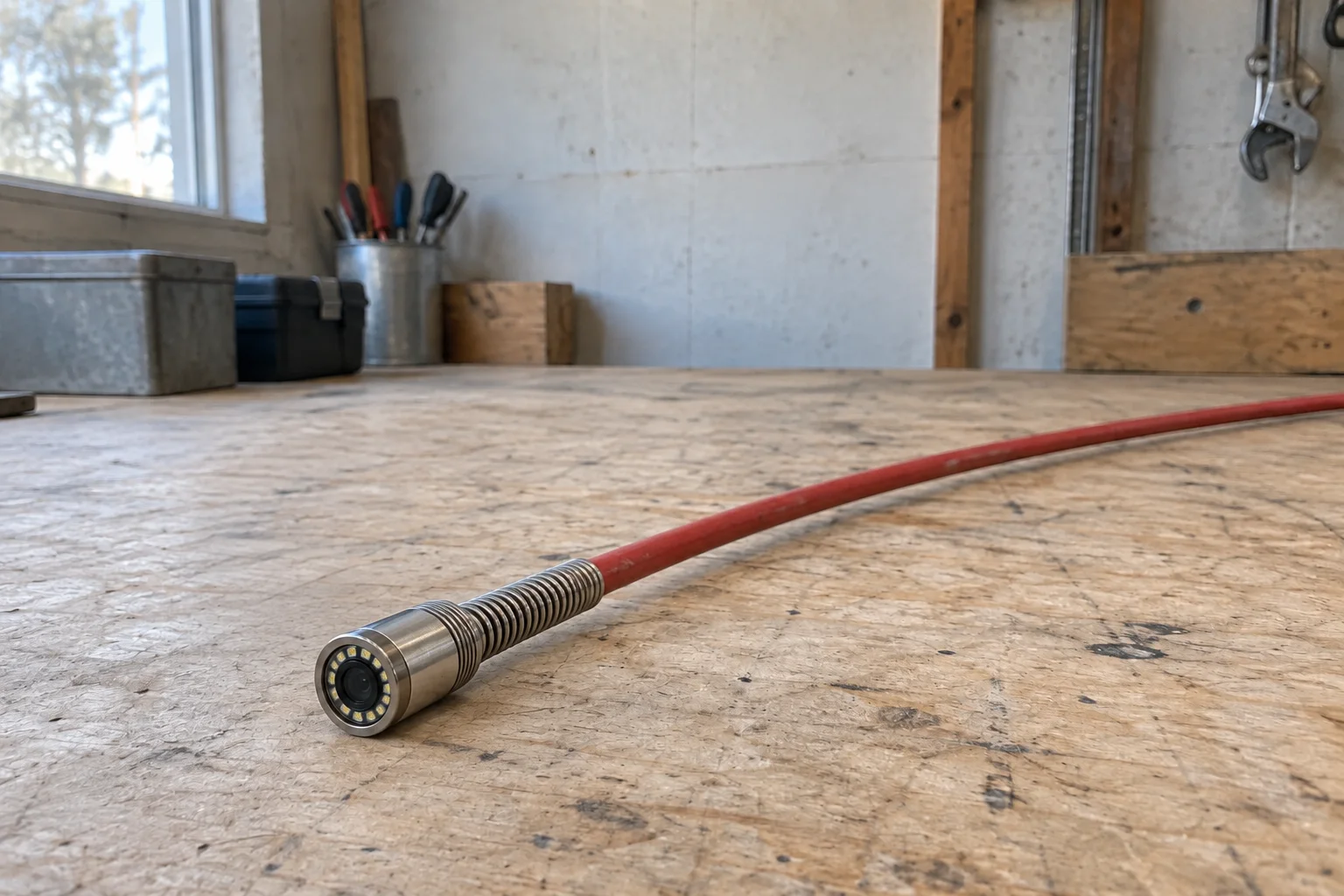
A sewer camera inspection can show visible conditions inside an accessible line. An obstruction, cloudy water, a tight turn, or limited access may stop a complete inspection. Sometimes clearing is needed before a useful view is possible. Ask whether you will receive a recording, which section was viewed, and whether any area remains uninspected.
If a repair is recommended, ask to see the finding that supports it. A still image without location or context may leave you with questions. Have the contractor explain what the image shows, where it is, and how the proposed work addresses that finding.
06 / YOUR NEXT DECISION
Get the work and the price clear before it starts
Start with the service-call charge and what happens after the assessment. Confirm any after-hours charge before the visit. There is no published fixed price for this site's contractor work, so get the applicable charges directly from the contractor.
Then define the job. Which line will be cleared? Where will it be accessed? Does the quoted amount include a camera inspection or only clearing? Is there a limit on time, cable length, passes, or the number of access points? Those details make two estimates easier to compare.
Ask what happens if the first attempt does not restore flow. Additional equipment, a different access point, or repair work may change the price. Agree that new work needs your authorization before it starts. You should understand both the next step and its cost before deciding.
Finally, separate drain service from sewage cleanup. Ask whether the contractor handles cleanup and what that includes. Clearing the pipe does not, by itself, restore wet flooring, drywall, or stored belongings. Get clear responsibility for each part of the job.
A useful question when comparing two quotes
'Can you show me exactly what your price includes and what could cost extra?' If one quote covers an initial clearing and another includes a camera recording afterward, those are different scopes. Compare the work and the deliverables, not just the total at the bottom.
Stop using water and call. Tell us where it is backing up.
07 / YOUR NEXT DECISION
Once the water goes down, ask what changed
Before the contractor leaves, ask how restored flow was checked and what the result means. A drain that is working again is good news. It isn't proof that every part of the pipe is sound or that the original cause has been permanently corrected.
Ask for the findings in writing, along with any recording included in the work. A useful record identifies the access point, the section reached, what was found, what was done, and any limits to the inspection. Keep it with the invoice so a future visit can build on the first one.
If roots were removed, ask whether the inspection showed where they entered. Clearing roots does not close that opening. If the line backs up again, the next decision should use the earlier findings and new evidence. Repeating the same clearing without an explanation can leave the larger question unanswered.
Prevention should match the finding. Grease or nonflushable items call for a different discussion than damaged pipe or storm-related backup. Ask what habits, maintenance, inspection, or repair the contractor recommends for the actual condition. Avoid assuming every house needs the same cleaning interval.
For recurring backup during storms, ask a qualified plumber about appropriate backup protection and the local requirements for any proposed work. Flossmoor's official flood-prevention information is a useful starting point. A protective device or plumbing alteration needs to fit the property's layout and be maintained as required.
08 / YOUR NEXT DECISION
Get help for a Flossmoor sewer backup
For an active sewer backup in Flossmoor, call and describe what is happening now. Have your address and ZIP ready, explain which fixtures are affected, and mention any safety concern before someone enters the area.
Plumbers 911 is a contractor referral network operated by Plumbers Local 130. The network takes emergency calls 24/7 and connects service requests with participating contractors. Confirm the responding contractor's availability, arrival estimate, scope, and charges when you speak with them.
For a nonurgent follow-up, request a Flossmoor callback with your name, phone number, and ZIP. Call instead if wastewater starts rising while you wait.
CLEAR ANSWERS
Questions before you call.
Can one backed-up floor drain mean the main sewer is blocked?
It can, but it does not prove it. A floor drain may be the place sewage shows up first, while the restriction is farther downstream. The best next question is whether other fixtures are affected too.
Does rain prove the Village sewer is the problem?
No. Heavy rain can happen at the same time as a sewer backup without proving whether the issue is in a private line, a public main, stormwater entry, or something else. Rain is a clue, not a diagnosis.
Should I pour drain cleaner into a backed-up sewer?
No. Drain cleaner is not a good first response to an active sewer backup. Stop adding water, keep people away, and let the line be assessed safely.
Does sewer rodding fix roots permanently?
No. Rodding can remove or move a blockage, including roots in some cases, but it does not seal an entry point or repair damaged pipe. If the problem returns, ask what evidence points to a different next step.
Can I wait for a callback if sewage is coming up now?
Call for help if sewage is actively coming up. Stop household water use and keep people and pets clear. A callback form is for a nonurgent request and should not be treated as immediate dispatch.
Sources and local resources
Local information checked against Village resources. Equipment guidance describes general methods, not the condition of your particular pipe.